


PRIVATE COMPANIES
A partner for every chapter of your private lifecycle.
From your first capital raise to company-wide employee liquidity to private share settlement — one platform and partner through every stage.
WHAT WE DO
The full lifecycle of private company equity.
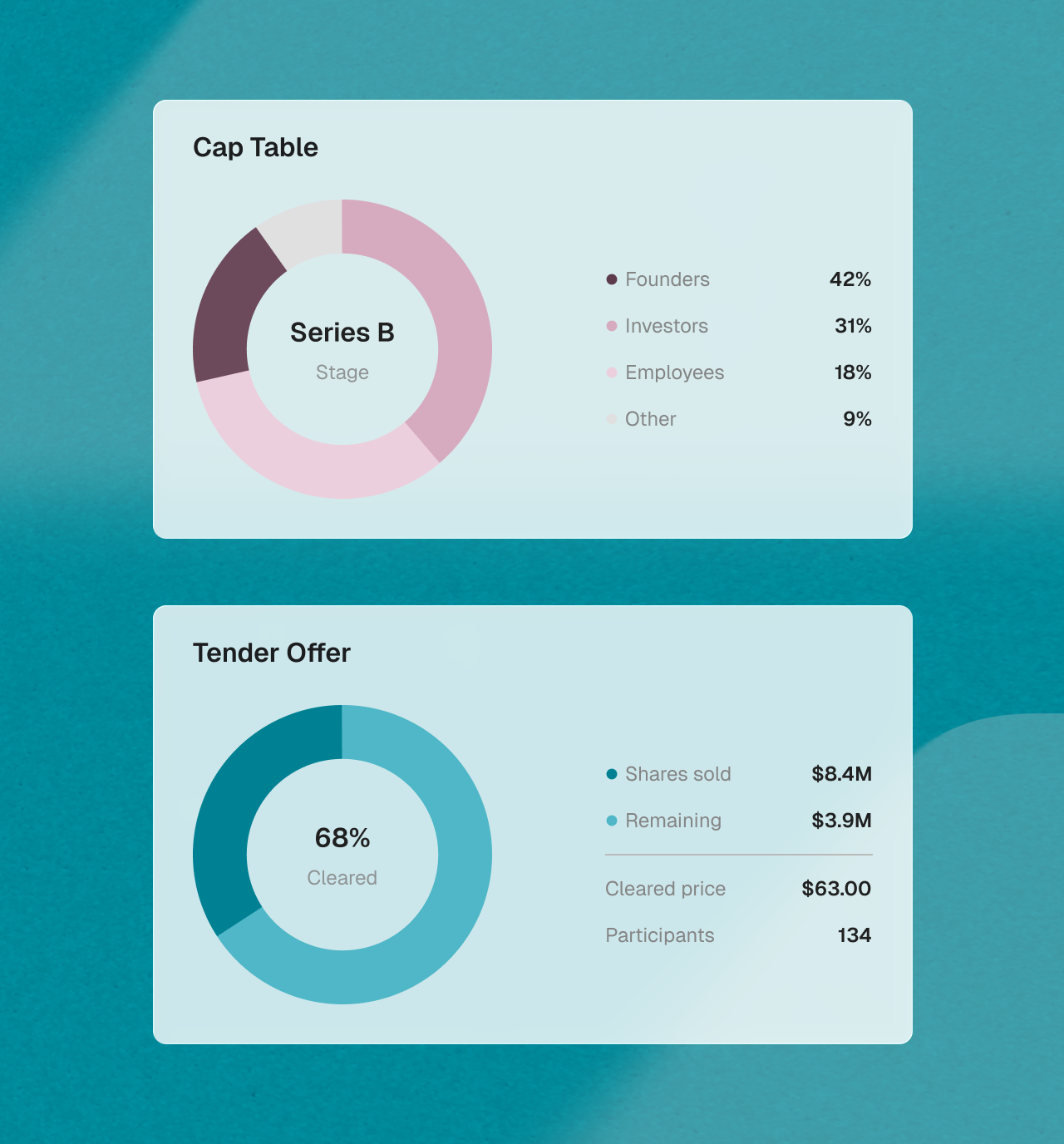
Nasdaq Private Market handles the full lifecycle of private company equity, from your first institutional raise to recurring liquidity programs and everything in between.
Raise Primary Capital
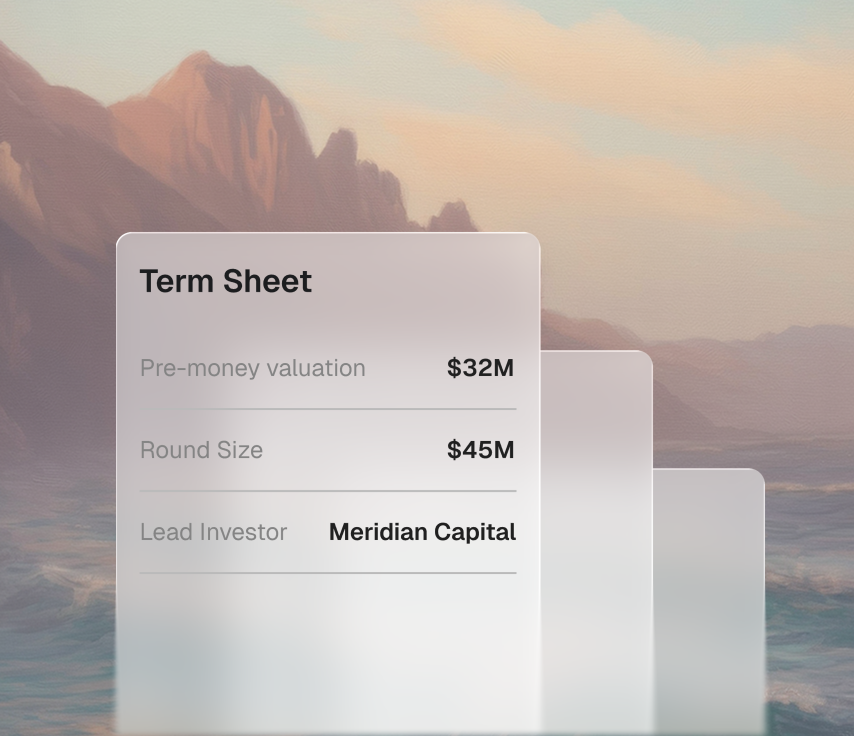
Source institutional investors and close your next funding round through our registered broker-dealer affiliate.
Run Liquidity Programs
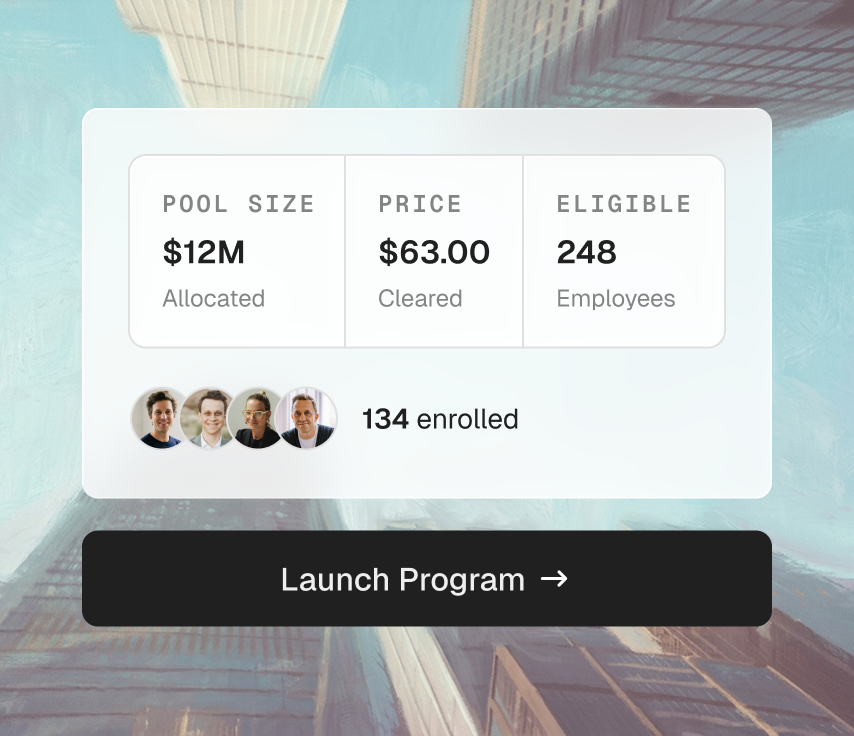
Give employees and shareholders a company-structured, repeatable way to realize value — before an IPO.
Execute Large Block Trades
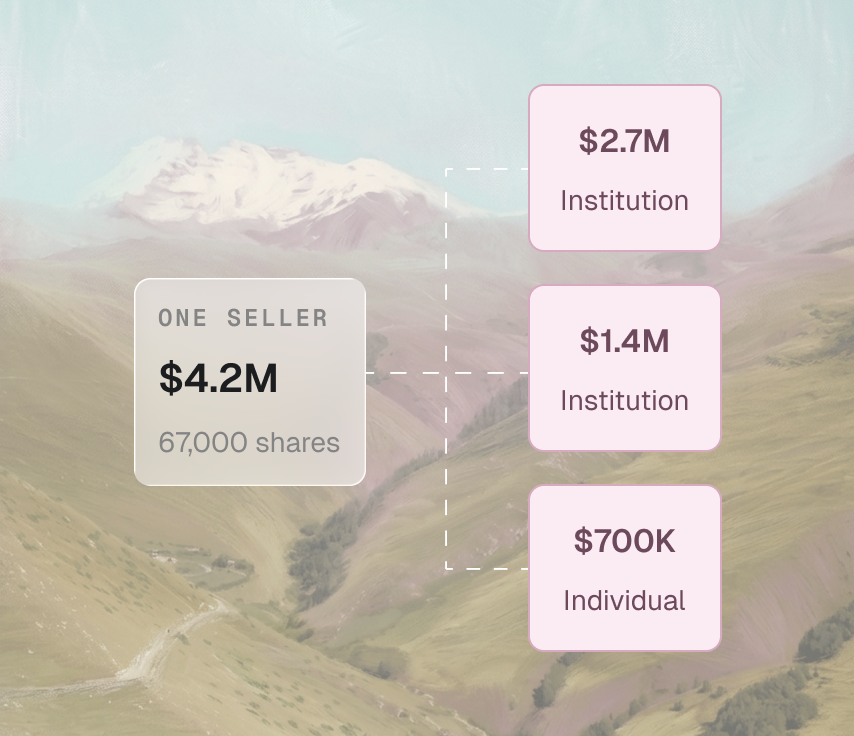
When liquidity is needed, efficiently sell employee, ex-employee or shareholder blocks to institutional or individual investors.
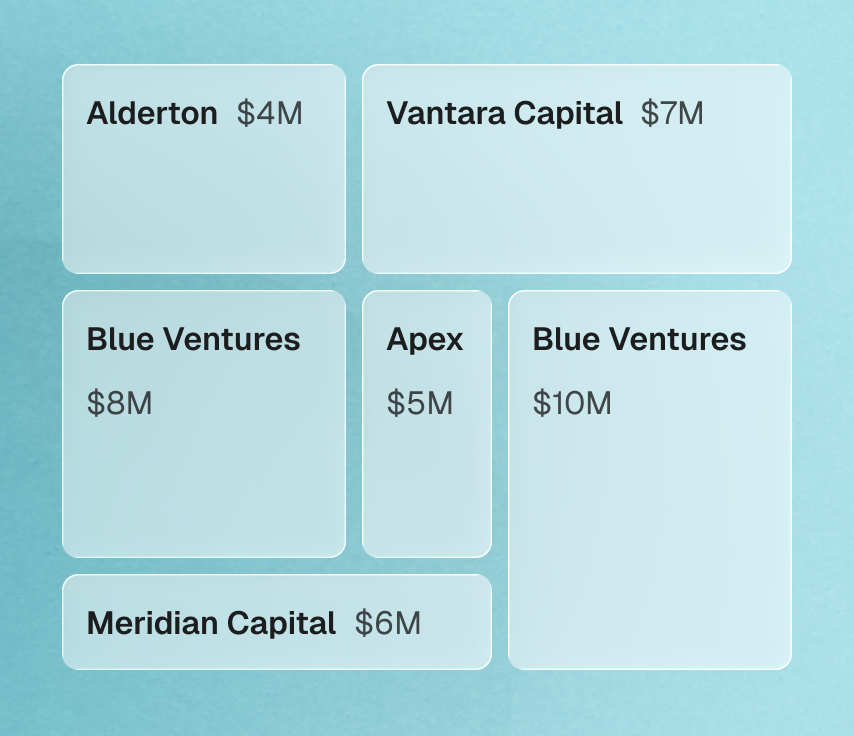
Structure Single-Asset Funds
Create a curated, institutional-grade vehicle for a larger group of investors to gain exposure to your company.
Settle Every Transaction
Rely on patented private securities settlement infrastructure built for institutional-grade execution.
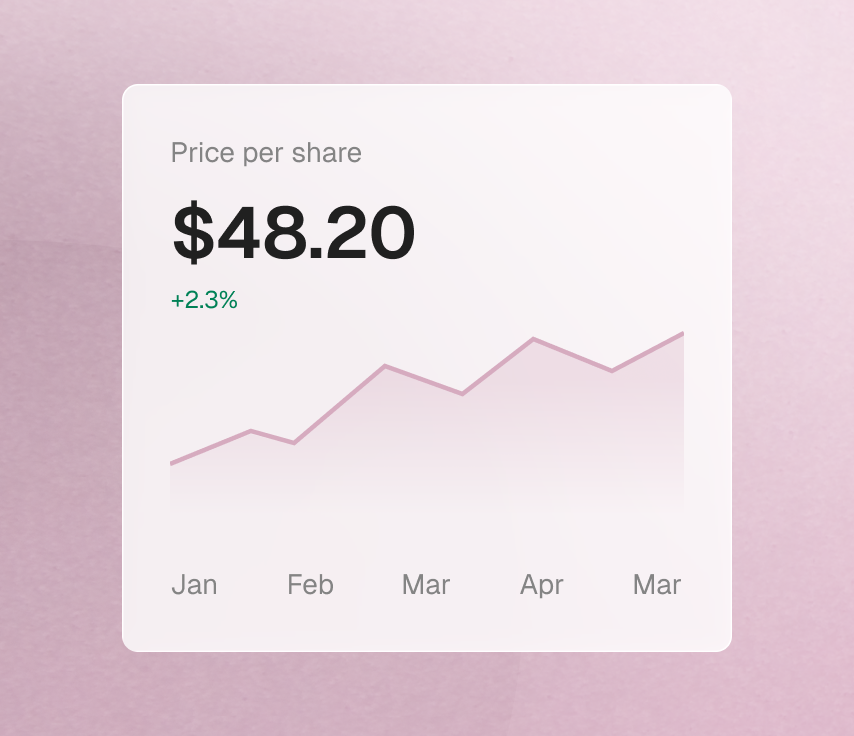
Access Market Intelligence
Benchmark your valuation, track secondary market activity, and understand how your company compares.
PLATFORM FEATURES
The right investors. At the right moment.
From your next primary round to a large secondary block trade or a bespoke institutional transaction — NPM’s platform delivers the execution capability private companies need.
Primary Capital Raises
NPM’s Capital Solutions team acts as your placement agent — connecting you with institutional investors, family offices, and strategic capital partners.
We manage the full placement process: structuring your investor materials, identifying aligned capital, running an organized outreach campaign, and helping you close on the right terms. Our relationships with major banks and asset managers give you access that would otherwise take months to build on your own.
- Registered broker-dealer placement agent
- Institutional LP sourcing & outreach
- Full process management through close
Block Trades & Bespoke Transactions
For large secondary block transactions, NPM provides institutional buyside book-building — matching sellers with qualified buyers across a global network of banks and asset managers.
For company-sponsored transactions and investor-led secondaries, our team builds the book, vets the buyers, and manages execution with precision.
- Company-sponsored and investor-led blocks
- Qualified institutional buyer (QIB) network
- Discreet, structured, efficient execution
Company-Sponsored Tender Offers
A tender offer is a controlled way to give employees and shareholders liquidity. NPM can manage program structuring, buyer sourcing, transaction execution, and end-to-end settlement.
We’ve run over 1000 company-sponsored liquidity programs. Our end-to-end program management handles investor outreach, regulatory coordination, compliance filings, employee communications, tax & advisory services and settlement — so your team can stay focused on the business while we run the transaction.
- End-to-end program management
- Institutional investor sourcing on the buyside
- Regulatory and compliance coordination
- Tax & Wealth Resources
- Full settlement via NPM’s patented infrastructure
Recurring Liquidity Programs
Some of the best-run private companies build liquidity into their talent strategy. NPM helps you design, launch, and operate a recurring program year after year alongside providing access to liquidity benchmarks on how your peers are structuring these programs.
We work with you to define program timing, eligibility, pricing mechanics, and shareholder communications. Our platform handles enrollment, execution, and settlement — giving the company control on a repeatable, scalable process that reduces ad-hoc pressure from shareholders and makes every liquidity event predictable and clean.
- Program design and structuring
- Repeatable, scalable annual execution
- Pricing and eligibility frameworks
- Employee communication and enrollment support
Patented Settlement Infrastructure
NPM operates patented private securities settlement technology. Every transaction runs through a single, integrated settlement layer connecting counterparties, transfer agents, and compliance systems automatically.
Our settlement technology is purpose-built for private market complexity — multi-party coordination, beneficial ownership tracking, AML/KYC verification, and state-level Blue Sky compliance all managed in one place. Built for institutions. Trusted by some of the largest private companies in the world, from growth stage to pre-IPO.
- Patented settlement technology (US patent #10,552,829)
- DTCC connectivity and transfer agent coordination
- Blue Sky compliance and AML/KYC management
End-to-End Transaction Workflow
Most private market transactions involve a web of disconnected intermediaries. NPM connects broker, transfer agent, custodian, and compliance teams in a single integrated workflow.
Our platform covers every step from trade execution through final settlement, with real-time visibility for all parties. No PDF back-and-forth. No missed compliance steps. No settlement fails from fragmented systems. One integrated process, every time — from first trade to final transfer.
- Single integrated execution-to-settlement workflow
- Reduced settlement risk and faster time to close
- Real-time transaction visibility for all parties
How it Works
From program structure to settled transaction.
NPM manages the entire transaction lifecycle on your behalf. Most company-sponsored programs complete in 3–6 weeks from launch to settlement. NPM has a flexible and fast working operations team that have been able to set up Tender programs to launch in under a week.
01
Structure the program
NPM provides comparative data from over 1000 prior company-sponsored liquidity programs to inform program design. We work with your finance, legal, and people teams to set parameters that align with your cap table strategy, employee communications plan, and broader equity program.
02
Source qualified buyers
Our institutional investor network includes major banks, asset managers, family offices, and sovereign wealth funds. Every buyer is vetted, qualified, and confirmed against any restrictions your company has established before they participate.
03
Run the transaction
NPM provides additional resources for shareholder and employee experience — town halls, wealth advisory services, and a dedicated support team — with the goal of redirecting questions away from your internal team and keeping the transaction running smoothly.
04
Settle every share
From launch to close, most programs complete in 3–6 weeks. Our settlement technology handles AML/KYC verification, state-level Blue Sky compliance, transfer agent coordination, and beneficial ownership tracking automatically — so transactions close on time.
Why Nasdaq Private Market
Trust is the product. Relationships are the edge.
Private market transaction have one thing in common: do both sides trust the partner in the middle? We’ve spent a decade earning that trust — from private companies protecting their cap tables to institutional investors who need to know the deal is real.
Regulated Platform
NPM operates as a broker-dealer with regulatory oversight across every transaction we execute.
Every primary placement, tender offer, block trade, and structured transaction runs through a regulated, supervised process. We coordinate AML/KYC verification, state-level Blue Sky compliance, and SEC filings — giving every counterparty regulatory clarity from start to finish.
Issuer-Aligned
Our programs are designed to protect cap table integrity and align with the issuer’s long-term equity strategy.
We are cap table agnostic and can work with any cap table provider to update shareholder changes after tender settlement. We vet all buyers before they participate and confirm they meet established company restrictions. Cap table integrity is central to how we design every transaction.
Equitable Fees
Transparent, structured fees — no hidden markups, no opaque pricing layers across counterparties.
Our fee structure is presented up front and applied consistently across program participants. That clarity is part of why both sides of the market trust NPM with their largest private transactions.
Embedded Market Data
Verified secondary trading data, peer valuation benchmarks, and tender offer analytics from over 1000 programs.
NPM’s data platform gives private companies access to verified secondary trading data, peer valuation benchmarks, and tender offer analytics collected from over 1000 programs.
Patented Settlement
Patented private securities settlement technology — purpose-built for the operational complexity of private market transactions.
NPM holds a US patent on its private securities settlement process and technology. It is the result of years of engineering purpose-built infrastructure to solve the operational, compliance, and multi-party coordination challenges of private securities transactions.
Global Network
An institutional investor network spanning the world’s leading banks, asset managers, family offices, and sovereign wealth funds and individual accredited investors
Our institutional investor network includes Allen & Company, Bank of America, BNP Paribas, Citi, Goldman Sachs, Morgan Stanley, UBS, Wells Fargo, and a growing network of leading asset managers, family offices, and sovereign wealth funds.


FOUNDATIONAL CONCEPTS
Key terms in private company liquidity.
A company-sponsored event in which employees and shareholders (typically more than 12) are invited to sell shares at a specific price during a defined window. The purchaser can be the company itself (a buyback), a third-party investor, or a combination.
Tender offers are the most common company-structured liquidity event for private companies. NPM manages the entire tender offer lifecycle — structuring the program, providing benchmarks on pricing, eligibility, transaction caps, and timing; sourcing qualified institutional buyers; handling employee and shareholder communications; managing regulatory filings and compliance; and running the transaction through patented settlement infrastructure. Most programs complete in 3–6 weeks.
A larger, faster-moving secondary transaction in which a single seller — often an investor — works with NPM to find institutional buyers for a large position. Different structural requirements, timelines, and investor base than a tender offer.
Both tender offers and block trades execute through the NPM platform, but they serve different needs. Tender offers are company-sponsored and broad-based; block trades are typically investor-led and concentrated. NPM’s Capital Solutions team builds the buyside book, vets the buyers, and manages execution discreetly — protecting the cap table and the equity story.
A company-structured liquidity event in which the company selects a group of investors and runs a competitive process to determine the market price for its shares. Useful when a company has not had a recent valuation or wants to reflect improved performance since its last financing.
Buy-side auctions are an alternative to traditional tender offers when price discovery is the priority. The company invites a curated set of institutional investors to bid; the resulting clearing price reflects current market demand for the company’s shares. NPM structures, runs, and settles the auction end-to-end.
An invite-only, centralized marketplace where buyers and sellers transact over a defined period. NPM’s platform matches orders based on a defined matching process. Windows can remain open for weeks or months, giving issuers flexibility on timing.
Trading windows allow a company to have flexibility on control parameters such as eligibility, timing and matching logic. A company can have multiple trading windows under one set of “rules and procedures’ that take place throughout a year.
A regulated broker-dealer authorized to place private securities with institutional investors. NPM’s Capital Solutions team operates as a registered placement agent for primary capital raises and secondary liquidity events
As a registered placement agent, NPM structures investor materials, identifies aligned LPs, runs an organized outreach process, and manages the placement through close. Registration and regulatory oversight provide both issuer and investor with assurance that the placement is being conducted within the appropriate compliance framework.
NPM holds a US patent on its private securities settlement process and technology. The patented infrastructure handles multi-party coordination, beneficial ownership tracking, AML/KYC verification, and state-level Blue Sky compliance in one integrated layer.
Private market settlement is structurally different from public market settlement — it requires multi-party coordination among broker, transfer agent, custodian, and compliance teams. NPM’s patented infrastructure (US patent #10,552,829) was engineered specifically for that complexity, replacing PDF back-and-forth and fragmented systems with a single integrated workflow.
COMMON QUESTIONS
Questions private companies ask us.
Everything you need to know about working with Nasdaq Private Market — from how tender offers work to how we protect your cap table.
We work with private companies across all sectors from Seed stage to Later stage. Most typically VC-backed companies at the growth or late stage which have raised institutional funding and are building toward a public market exit. Our programs are designed for companies with complex cap tables, institutional shareholders, and employees who have been waiting years for liquidity. We’ve supported some of the most recognized private companies in the world, including Spotify, Snowflake, Datadog, GitLab, Coinbase, and Asana.
No. Many of our clients run liquidity programs years before they’re ready for an IPO — and some never go public at all. Our platform is designed to help private companies manage the full lifecycle of their equity program, regardless of where they are in their journey. That said, companies approaching an IPO often find that running recurring liquidity programs reduces pressure from shareholders and simplifies the public offering process when the time comes.
NPM manages the entire tender offer lifecycle on your behalf. We start by helping you structure the program and providing benchmarks of typical market structures around pricing, eligibility, transaction caps, and timing. We then source qualified institutional buyers to participate on the buyside, handle employee and shareholder communications, manage regulatory filings and compliance, and run the transaction through our patented settlement infrastructure. We provide a number of additional resources for shareholder and employee experience in the form of town halls and wealth advisory services with the goal of redirecting as many questions as possible away from the company. From launch to close, most programs complete in 3–6 weeks.
A tender offer is a company-sponsored event in which employees and shareholders (typically more than 12 shareholders) are invited to sell shares at a specific price during a defined window. The purchaser in the transaction can be the company (buyback), a third-party investor, or a combination. A block trade is typically a larger, faster-moving secondary transaction in which a single seller — often an investor — works with NPM to find institutional buyers for a large position. Both are executed through our platform, but they have different structural requirements, timelines, and investor bases. NPM can help you determine which structure is right for your situation.
While a tender offer is the most common company-structured liquidity event, there are other structures NPM can facilitate — namely buy-side auctions and trading windows. In a buy-side auction, the company selects a group of investors and runs a competitive process to determine the market price for its shares. This structure is useful when a company has not had a recent valuation or wants to reflect improved performance since its last financing. A trading window (continuous trading) is an invite-only, centralized marketplace where buyers and sellers can transact over a defined period. NPM’s platform then matches orders based on a defined matching process. These windows can remain open for weeks or months, giving participants flexibility on timing and maximizing overall participation.
Yes — that’s one of the core advantages of working with NPM. Our Capital Solutions team handles primary capital raises as a registered placement agent. Our Nasdaq Private Market platform handles secondary transactions including tender offers, block trades, and structured fund investments. Because both capabilities exist under one roof, we can structure a combined primary and secondary transaction that is tied to the primary. This is a common approach for late-stage companies that want to raise new capital while giving existing shareholders some liquidity.
Yes. NPM is cap table agnostic and works with any provider. We have a direct integration with Pulley that lets you connect your cap table to NPM with one click — pulling participant eligibility, share class, vesting, and ownership data into the program automatically, with no manual exports or reconciliation. For companies on other platforms (Carta, Shareworks, Pulley, AngelList, and others), we work with your team and transfer agent to ensure all participant data, share movements, and beneficial ownership records are properly synced and recorded throughout the transaction.
Cap table integrity is central to how we design every transaction. We are cap table agnostic and work with any cap table provider. We vet all buyers before they participate — qualifying them as institutional investors and confirming they meet any restrictions your company has established. We work with your legal team and transfer agent to ensure all transfers are properly documented and recorded. Our settlement infrastructure provides a clear, auditable chain of beneficial ownership through every step of the transaction — so you always know exactly who owns what.
NPM holds a US patent on its private securities settlement process and technology. This isn’t just a badge — it’s the result of years of engineering purpose-built infrastructure to solve the specific operational, compliance, and multi-party coordination challenges of private securities transactions. It means that when you execute through NPM, you’re using technology designed specifically for the complexity of private markets — not an adaptation of public market systems.
* As of May 2026